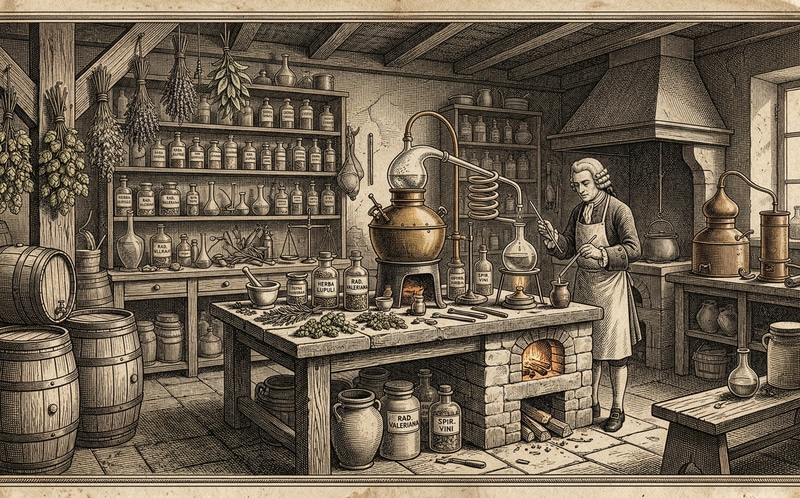
When beer first showed up in body care
Soaking in beer sounds odd at first – until you remember how deeply beer is woven into daily life in Central Europe. At Lázně Pramen we usually talk about a ritual: warmth, malt and hop aroma, quiet in a private room. Historically, beer really did find its way into skincare – in home recipes and in public baths.
Ancient cultures cared about something simpler: beer was an everyday product with a rich composition (B vitamins, minerals, compounds people now often discuss as antioxidants). Hence masks, rubs, and additives to water treatments. That is not a substitute for medicine or a promise of “rejuvenation”, but a cultural layer that still fits a modern spa blog and a real beer bath.
The ancient world: from Mesopotamia to Rome
In Mesopotamia and Egypt, beer was food, drink, and raw material for everyday mixes: blended with clay and oils, turned into skin pastes. In the Greek and Roman world beer played a smaller role than wine, but bathing culture is about the same idea – water, herbs, heat, scent. That thread then spreads through European towns where brewing becomes a craft on every corner.
If you like history “sideways”, Encyclopaedia Britannica’s overview of beer is a useful anchor – it explains why beer sits next to hygiene and rest, not only the dinner table.
The Middle Ages: monasteries, hygiene, early tubs
In medieval Europe, monasteries brewed a great deal of beer: in cities it was often safer than water and part of the economy. That led to kitchen- and workshop-style cosmetic experiments: infusions, salves, simple formulas where fermented ingredients felt “alive” and useful by the standards of the time.
Beer and herb baths among the nobility are their own chapter. Hot water, firewood, and staff were a luxury, so the image of “bathing as an event” matches what spa guests want today – slowly, in a separate space, without queues.
Industrial brewing and the birth of the “beer spa”
By the 19th and 20th centuries beer became a predictable industrial product: steadier wort, cleaner processes, more data on raw materials. Global beer production statistics and Statista’s beer market overview show the scale of the industry. For cosmetics that meant more consistent material for extracts and yeast components. For the guest it meant something else: in the Czech lands, beer links to leisure, food, and city life.
Today's beer spas are basically an honest mix: a warm tub, scent, phone-free time, often paired with a massage or combo treatment. At Lázně Pramen we focus on comfort and service, not loud claims.
Why it feels natural in the Czech Republic
The Czech Republic has a high density of breweries and strong food-and-drink tourism. A “beer bath” therefore feels less like a brochure gimmick and more like a familiar smell and taste – only in relaxation mode.
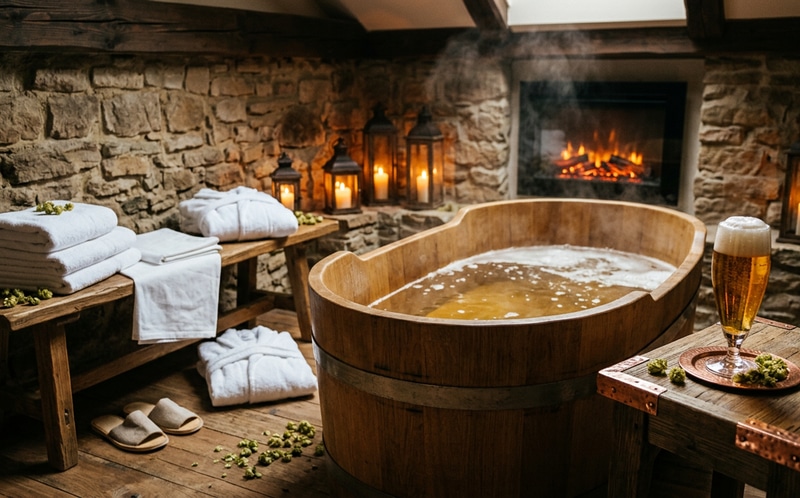
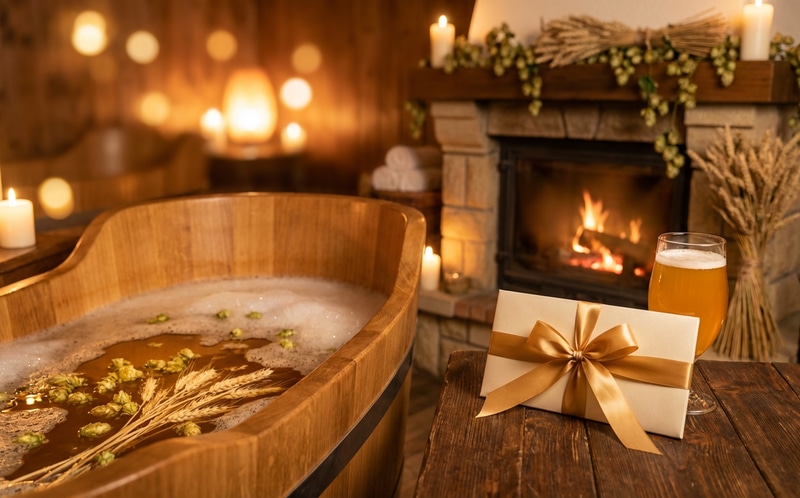
Our beer bath is about the privacy of an oak tub, a calm pace, and the option to continue with a wine bath or give the experience as a gift voucher. Hops and malt are part of the atmosphere; for more on hops, see another article in our blog.
What science looks at (without “before and after” promises)
Researchers really do study antioxidants and inflammation in the context of skin health in general; public summaries such as NIH NCCIH on antioxidants and MedlinePlus on antioxidants explain why the topic keeps appearing in wellness writing. Beer, yeast, and hops are complex mixtures, and lab findings cannot be copied straight into a “guaranteed effect” in a tub. What we can say honestly is that many people enjoy heat and touch, gentle care after the water, and the feeling of doing something nice for themselves.
In cosmetics, beer and yeast extracts are common: they add texture, scent, and an easy “natural” story. In a spa, safety, hygiene, and a clear visit flow matter more.
How it fits your day off
In practice, guests rarely want a lecture – they want to exhale and feel their body. A beer bath pairs well with massage because warmth beforehand often softens muscle tension. If you are only in Prague for a short while, booking a slot via online booking keeps the day calmer.
You do not need a suitcase of “spa wardrobe”: we have a short dress code guide you can read in a few minutes.
Why people travel to the Czech Republic for this
Beer tourism is its own layer: people fly for styles, pubs, microbreweries, and atmosphere. Beer spa fits that route as a quiet contrast to loud nights. This is not about investor spreadsheets – it is about your holiday: one day walking and a pint, the next calm, water, wood, no rushing crowds.
Prague keeps logistics simple: you can pair a treatment with time in Prague 6, where we are based. For timing and access, contact us – we will help you plan the day.
Where the format is heading
The trend is straightforward: less noise, more privacy, more respect for the guest's time (the Global Wellness Institute’s industry research shows how large the wider wellness economy has become). Separate rooms, clear packages, and the option to gift a visit make the experience less “factory tour”. Ecology and local ingredients stay in fashion, but common sense beats green slogans: clean water, thorough cleaning, good ventilation.
At Lázně Pramen we treat it as service: steady quality, a predictable flow, human conversation – without extra theatre.
In short: tradition without hype
Beer in body care is an old story; Czech beer spa is a contemporary way to rest in a culturally familiar key. It is not magic or medicine; it is heat, scent, time for yourself, and a place where you do not have to justify why you want exactly this.
To build a whole evening, start with the overview of treatments, pick a bath, and add massage or a combo. Questions? Message or call via contacts – we will help you plan without information overload.
Sources
- Encyclopaedia Britannica – Beer – britannica.com
- NIH NCCIH – Antioxidants: what you should know – nccih.nih.gov
- MedlinePlus (NIH) – Antioxidants – medlineplus.gov
- Global Wellness Institute – Industry research – globalwellnessinstitute.org
- Statista – Worldwide beer production – statista.com
- Statista – Beer: market data and facts – statista.com